Most enterprise security is a collection of things that watch.
A gateway is a thing that decides.
That distinction is the whole argument, and it becomes decisive the moment your adversary stops being a person. Watching produces knowledge. Deciding produces outcomes. When an attack completes in ninety seconds, only one of those is worth anything.
The plain definition
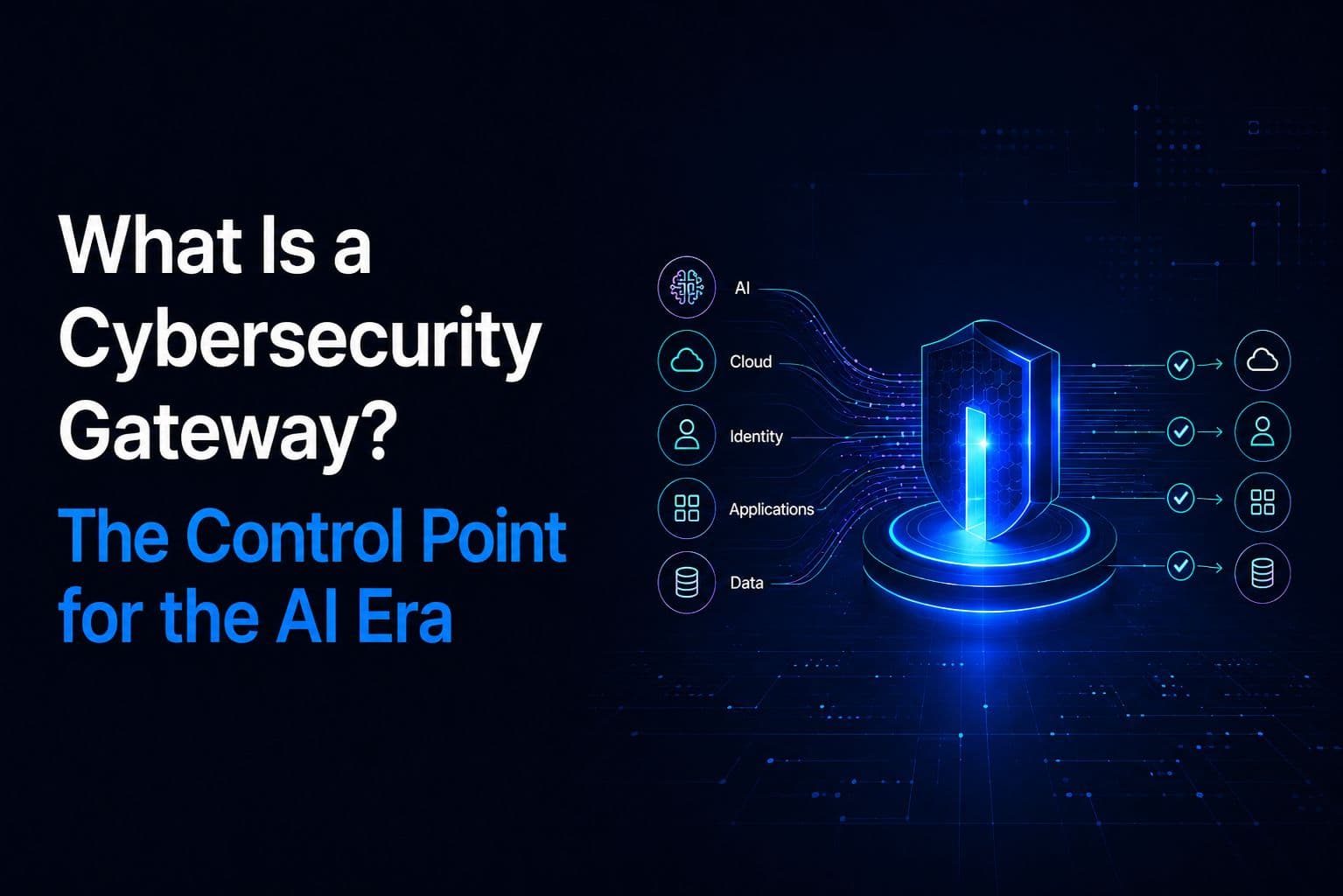
A security gateway is a control point that every connection passes through. Nothing enters, nothing leaves, and nothing moves between systems without going through it.
That single property, everything passes through, is what makes a gateway structurally different from the tools around it. A monitoring tool sees a copy of traffic. An endpoint agent sees one machine. A SIEM sees logs about things that already happened. A gateway sees the actual connection, at the moment it is being made, with the authority to allow it, block it, encrypt it, or demand identity from it.
You cannot enforce anything you do not sit in front of.
What it is not
The word "gateway" is crowded, and precision matters here.
A firewall filters by network attributes: addresses, ports, protocols. It is a gateway in the topological sense, but its decisions are made on the envelope, not the contents or the identity behind them.
A secure web gateway governs a specific direction of traffic: users going out to the web. It is excellent at URL filtering and malware inspection for that path. It is not a control point for machine-to-machine traffic, internal system calls, or AI workloads.
An email security gateway does the same for one protocol.
An API gateway manages routing, rate limiting and versioning for developers. Its purpose is traffic management; security is a secondary concern layered on.
A cybersecurity gateway in the sense that matters now is broader than all of them: it governs every connection (human, machine, model, internal, external) and it makes security decisions at that point rather than reporting on them afterwards.
You cannot enforce anything you do not sit in front of. Everything else is commentary on events you did not control.
Why the gateway model returned
Gateways went out of fashion for a good reason. The perimeter dissolved. Workloads moved to cloud, users moved everywhere, and the idea of a single choke point looked like an artefact of an era with a data centre and a moat.
Two developments brought it back.
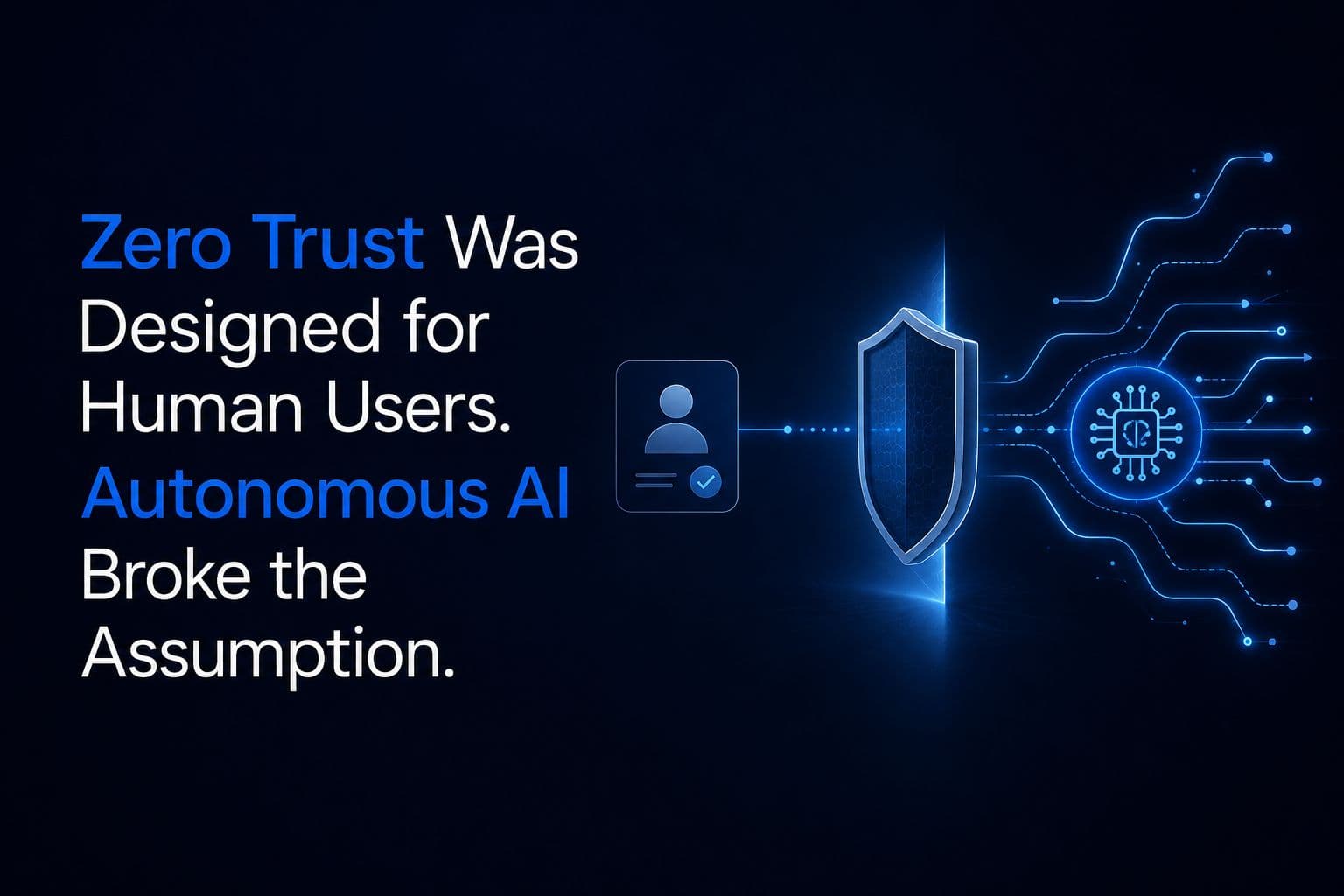
The first is autonomous AI attack. When attacks run at machine speed, the only defence that arrives in time is one already positioned in the path. A tool that observes and escalates is structurally too late: not because it is badly built, but because escalation is a human-timed process and the attack is not.
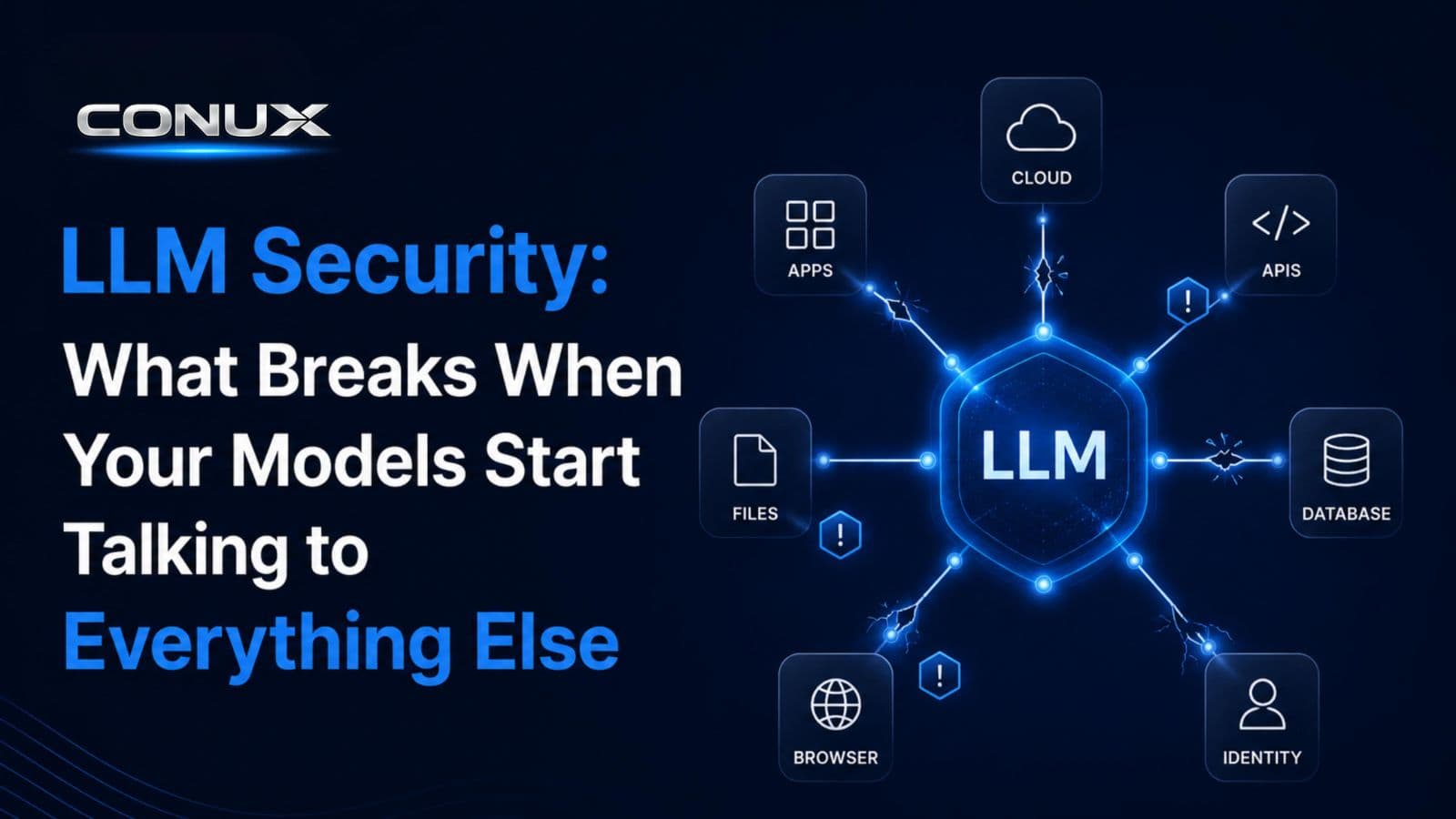
The second is machine-to-machine traffic. The majority of connections in a modern enterprise are no longer a person opening something. They are services, workloads, agents and models calling each other. That traffic largely bypasses the controls designed around human users, and it is exactly the traffic an autonomous attacker moves through.
The perimeter did not come back. The choke point did, in a different place: not around the network, but around every connection.
What a gateway can do that nothing else can
Because it sits in the path, a gateway can do five things at the moment they matter.
Stop an attack in seconds. Not raise an alert about it. Block the connection and write the rule that keeps it blocked.
Encrypt everything that passes. Including with quantum-safe algorithms, applied uniformly, without every application team implementing cryptography correctly on their own.
Govern machine identity. Every service, workload and agent that connects has to prove who it is at the point of connection: the only place that question can actually be enforced.
Enforce policy automatically. A policy that lives in a document is a suggestion. A policy enforced at a control point is a fact.
Generate audit evidence as a by-product. Because the gateway saw the connection and made the decision, the record is complete by construction rather than reconstructed from logs afterwards.
The second attacker, and why it lands here too
There is a reason the gateway model matters specifically now, and it is not only about AI.
Nation-state actors are harvesting encrypted enterprise traffic today. They cannot read it yet. They are storing it against the day quantum computing matures, at which point a decade of intercepted traffic becomes readable at once. Harvest now, decrypt later, exploit forever.
That threat comes with a deadline attached. CNSA 2.0 mandates post-quantum cryptography from 2027, and Canada, the EU, the UK and the UAE follow. This is not a recommendation cycle.
The instinct is to treat this as a separate programme: a cryptographic migration, run by a different team, on a different timeline. That instinct is expensive. Applying quantum-safe encryption application by application means touching every application. Applying it at a gateway every connection already passes through means applying it once.
The two attackers converge on the same control point. That is not a coincidence; it is a property of where enforcement is possible.
The buying question
If you are evaluating this, the question is not "does it have the features". It is "what does it require me to disturb".
Security capability that demands you re-platform tends not to get deployed. It gets scoped, budgeted, deferred, and eventually replaced by a smaller purchase that fits.
Conux is a gateway that sits in the middle of what already exists. Existing cloud, existing identity, existing applications, existing AI models: all stay. Deployment is measured in weeks. Users do not see it. One deployment, not two migrations.
Deployment patterns that actually work
The theory of a control point is straightforward. Placing one in a live enterprise is where the questions start, and there are three patterns worth knowing.
Inline at the edge. The gateway sits between the enterprise and everything external. This is the fastest to deploy and immediately covers inbound and outbound traffic: the paths most organisations worry about first. It does not, on its own, govern traffic that never leaves the environment, which is where lateral movement happens.
Inline for east-west traffic. The gateway governs service-to-service and workload-to-workload connections inside the estate. This is where machine identity actually gets enforced, and it is the pattern that constrains an autonomous attacker's lateral movement. It requires more thought about traffic paths, and it is usually phased by environment or application group.
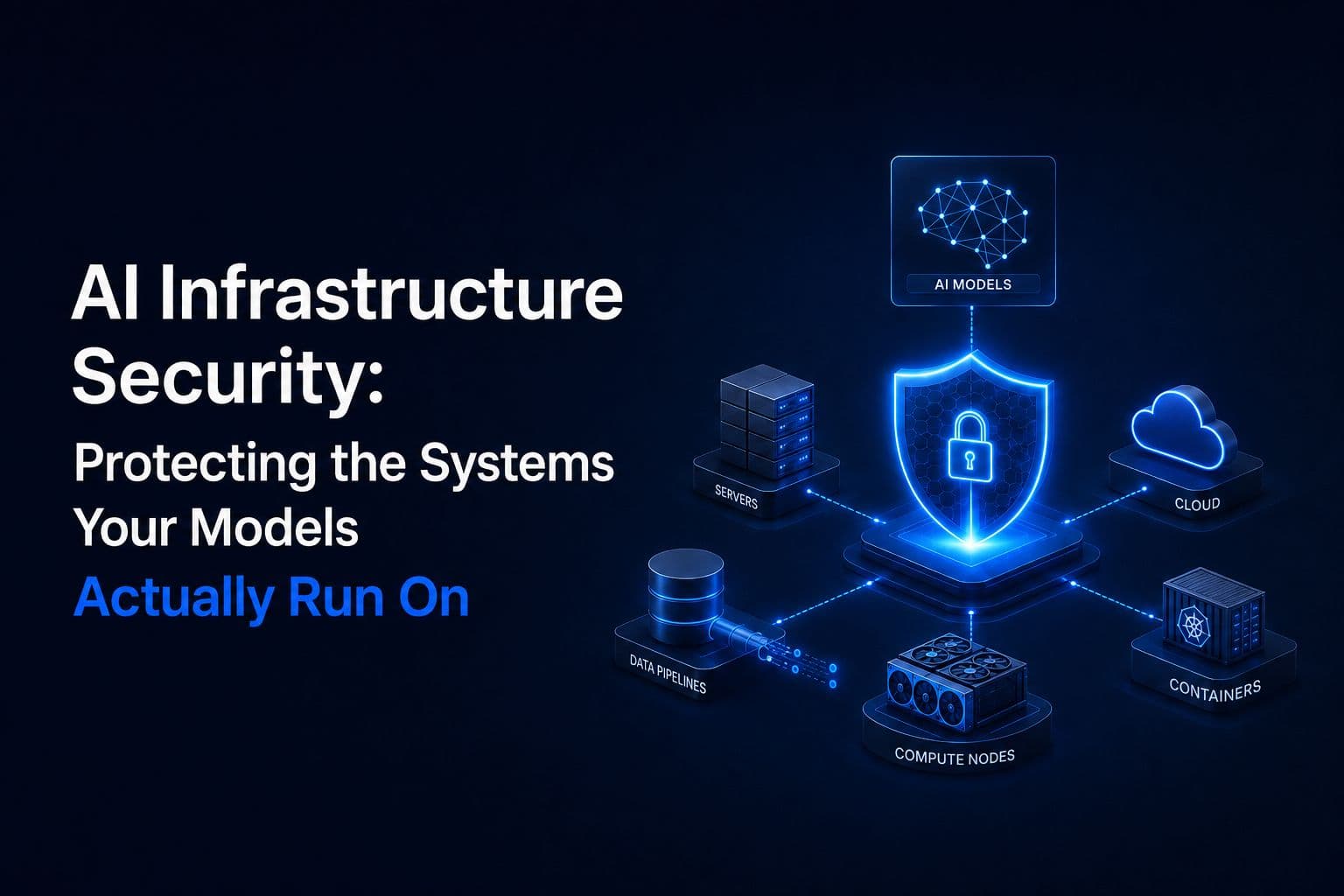
In front of AI workloads specifically. For organisations whose immediate concern is AI infrastructure, placing the gateway around model endpoints, retrieval pipelines and orchestration services delivers the tightest scope with the least disruption. It is a common starting point precisely because that surface is newest and least governed.
Most enterprises end up running all three, phased. The sequencing question is not technical so much as organisational: start where you have both a clear problem and a team that will engage.
Two practical points determine whether this goes smoothly.
Nothing should require re-platforming. If a gateway demands changes to applications, identity providers or cloud architecture, deployment timelines stretch from weeks to quarters and the probability of stalling rises sharply. The correct posture is that existing cloud, identity, applications and AI models stay exactly as they are.
Users should never know. A control point that changes the experience of ordinary work generates resistance that outlasts the project. Invisibility is not a nice-to-have; it is what allows the deployment to widen without a negotiation at every step.
The bottom line
The gateway question is not really about technology. It is about whether your security architecture can act or only describe.
Every tool that watches produces knowledge after the fact. Only something in the path produces an outcome. When your adversary finishes in ninety seconds, and a second adversary is quietly copying your ciphertext for later, the difference between those two positions is the whole of your defence.
A gateway is not another layer on the stack. It is the point where policy becomes fact, encryption becomes universal, identity becomes checkable, and evidence becomes automatic: from one deployment, with nothing ripped out.